What an installation request covers
An AC installation is the work of putting a cooling system in place and connecting it so it can run as designed. People also search for this as air conditioning installation, a new AC installation, or an AC unit installation. The intent is the same: equipment that is not yet doing the job, or equipment that is being added where cooling is missing.
This page is about that work. If a system is already installed and you are deciding whether to retire it, start with air conditioning replacement. If the current system should be diagnosed first, start with AC repair. The installation steps below still apply when a replacement has been agreed, but the decision to replace is a different question.
Equipment that can be discussed
Central air conditioning
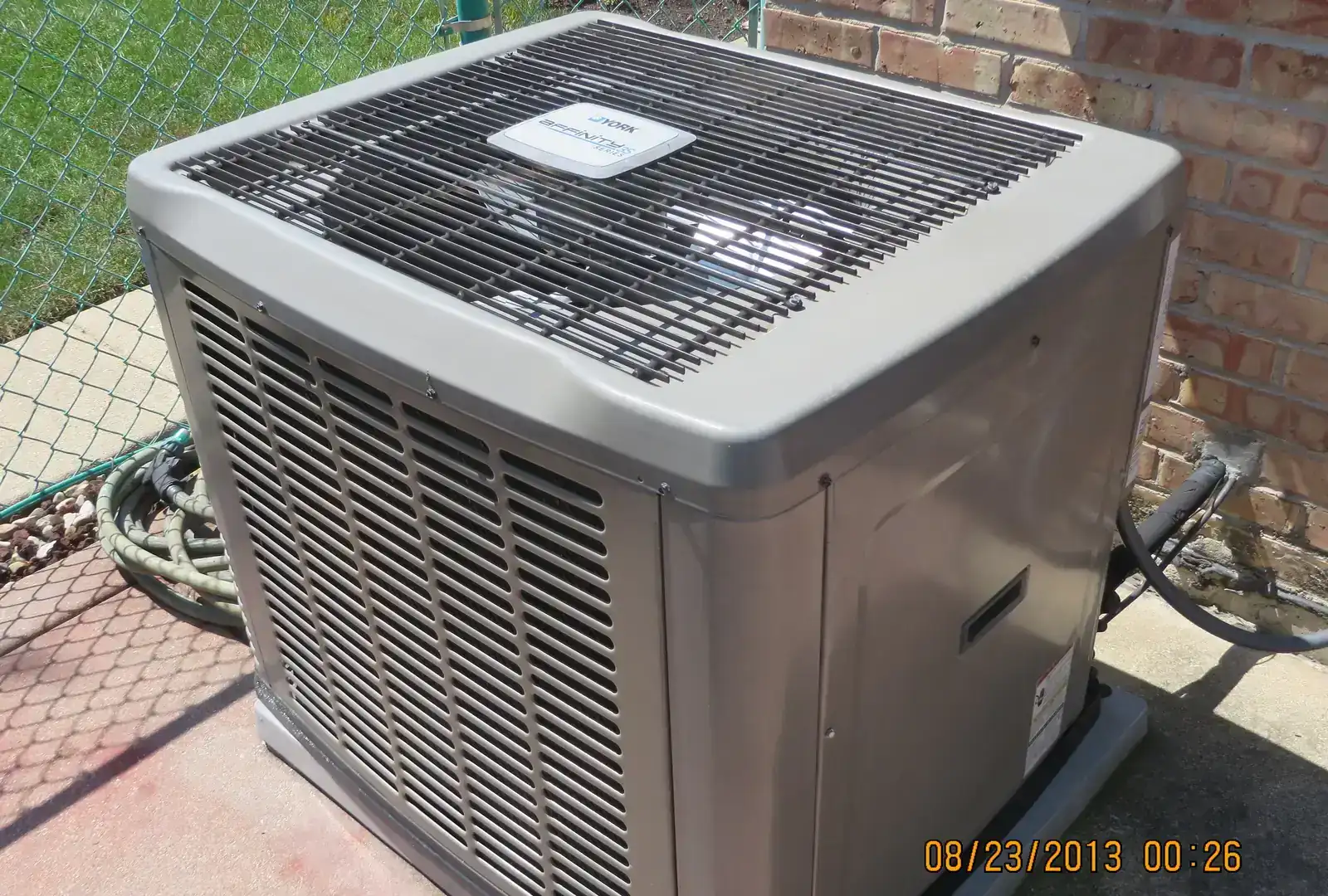
A central system uses an outdoor unit and an indoor air handler or coil, with ducts carrying air through the house. Central AC installation is the usual path for a home that already has ducts, or for a project where ducts are part of a larger building plan. Duct design, return air, and the location of the outdoor unit all affect comfort. Those items are reviewed before equipment is ordered. They are not assumed from the square footage alone.
Ductless and mini-split systems
A ductless AC installation, often called a mini-split AC installation or a split AC installation, places one or more indoor heads on the wall or ceiling and connects them to an outdoor unit with refrigerant lines. It suits additions, rooms that never had ducts, and homes where opening walls for ductwork is a poor trade. The number of heads, the line length, and a place to drain condensate are part of the layout, not afterthoughts.
Heat pumps used for cooling
In Florida, many heat pumps spend almost all of their hours in cooling. They can also heat on cooler nights. This page treats them as cooling equipment first. A request that is only about a furnace, or about heating service as a separate trade, is outside the work described here.
Packaged systems
Some buildings use a packaged unit, with the cooling components together outdoors. If the property is already built around that arrangement, a packaged replacement or installation can be discussed. It is not offered as a default for every house.
Window air conditioner installation is a different kind of job, closer to a household appliance than to a central or ductless system. It is not the focus of this service. A request that is only for a window unit may be declined.
How a system is chosen
Selection starts with the building. Ceiling height, glass, shade, insulation, the number of people, and whether the kitchen or an addition runs warmer than the rest of the house all matter. So does the electrical service. An efficient system that the panel cannot support is not a solution.
Capacity is matched to the load, not inflated “just in case.” An oversized air conditioner in a humid climate can cool the thermostat and stop before it has dried the air. Undersized equipment runs without catching up on the hottest afternoons. The goal is steady runtime and even rooms, not a larger number on a label.
Efficiency ratings are useful for comparing equipment, and they are not a promise of a particular power bill. Real use in a Florida summer depends on the duct system, the thermostat schedule, shading, and how often doors stand open.
Assessing the property
Before equipment is proposed, the property needs a look. That review typically covers where the outdoor unit can sit with room to breathe, where the indoor equipment can be reached for future service, how condensate will leave the building, whether the existing ducts are usable, and whether the electrical circuit is appropriate. Photos can help the first reply. They do not replace seeing the space when the layout is uncertain.
Homes near the water may need extra attention to corrosion on outdoor equipment. That is a reason to talk about the setting. It is not a claim that every coastal city is served.
Preparing for installation day
Once a scope is agreed, preparation is practical. Clear a path to the indoor and outdoor locations. Move cars if the work area is a driveway. Know where the electrical disconnect is. If an association or a building manager has to approve an outdoor unit location, that approval should be in hand before the day is scheduled. Pets need a closed room away from open doors and tools.
Installation is arranged after the scope and the cost are confirmed in writing. A request on this website does not reserve a date by itself.
How the work proceeds
The sequence varies with the equipment, and the shape of it is consistent. The site is protected. Old equipment is disconnected only when the agreement includes removal. The new outdoor and indoor sections are set, lines and wiring are connected, and condensate drainage is established. The system is evacuated and charged by the method the equipment requires. Airflow, temperatures, and the thermostat are checked before the work is described as complete. You should be able to see what was installed and hear what was verified.
Refrigerant handling and much of the electrical connection are regulated in Florida. This page describes the service. It does not display a license number, and it is not proof of licensure.
What changes the cost
People search for AC installation cost and central AC installation cost because the range is wide. A number from a national article will not match a specific house. The cost moves with equipment type and capacity, line length, electrical changes, duct repairs or new ducts, access through attics or tight closets, haul-away of the old system, permits the jurisdiction requires, and the condition found once walls or platforms are opened. Those items are priced against the property, then agreed before the work is authorized.
No promotional price is listed here, and no financing offer is implied.
Questions
Can you install a system if I have already bought the equipment?
Sometimes, if the equipment matches the building and it can be installed safely. The property still has to be reviewed. Equipment that is the wrong capacity, or that cannot be supported by the electrical service, will not be installed just because it is already on site.
How long does an installation take?
A straightforward changeover can be a single day. A project with new ducts, electrical work, or difficult access takes longer. A duration is stated only after the scope is known. It is not promised from this page.
Will a mini-split cool the whole house?
A single head cools the room it serves. Whole-home ductless designs use several heads and a careful layout. Whether that is better than central air depends on the house, not on a general rule.
Do I need a new thermostat?
Often the control is part of the installation, because the new equipment may not speak to the old one. If the existing thermostat is compatible and in good condition, that is said during the proposal rather than assumed.